Latest Posts

Thursday, February 6, 2025

Advanced Text & Binary Converter | Online Converter Tool

Welcome to BinaryConverter

Convert text to binary and binary to text with our advanced tool. Enjoy features like copy, clear, and download output—all designed for a modern, responsive, and SEO-friendly experience.

Text & Binary Converter

About

This advanced tool is built with modern web standards to provide an optimal, accessible, and responsive experience. Seamlessly convert between text and binary formats with integrated copy, clear, and download features.

Articles

Stay tuned for future articles and updates.

Contact

Have questions or feedback? Reach out at info@binaryconverter.com.

© 2025 BinaryConverter. All rights reserved.

Advanced Text & Binary Converter

Welcome to BinaryConverter

Convert text to binary and binary to text with our advanced tool, now featuring copy, clear, and download functions for a complete modern experience.

Text & Binary Converter

About

This advanced tool is built with modern web standards to provide an optimal, accessible, and responsive experience. Seamlessly convert between text and binary formats with integrated copy, clear, and download features.

Articles

Stay tuned for future articles and updates.

Contact

Have questions or feedback? Reach out at info@binaryconverter.com.

© 2025 BinaryConverter. All rights reserved.

Friday, January 31, 2025

How to Write a Blog Post, Step 2: Conduct Keyword Research

How to Write a Blog Post, Step 2: Conduct Keyword Research

How to Write the Perfect Blog Post: My 10,000 Word Journey

Starting a blog was one of the most rewarding things I’ve done in my career. As someone who loves writing and connecting with readers, having an outlet to share my thoughts while potentially helping others has been an incredible experience.

When I first began blogging a few years ago, I really had no idea what I was doing. I would just sit down at my computer whenever inspiration struck and write whatever came to mind. Sometimes I would publish posts without even proofreading them because I was so eager to get my ideas out there.

Looking back now, those early posts were pretty rough. It’s almost cringe-worthy to read some of my early writing. But we all have to start somewhere, right? Even though I made plenty of mistakes (which I’ll detail later in this post), blogging has enabled me to find my voice, create helpful content, and connect with readers from all walks of life.

If you’re thinking about starting a blog but feel intimidated or don’t know where to begin, I want this post to encourage you. You don’t have to have everything figured out on day one. I certainly didn’t! Consider this your kick in the pants to just take that first step and start writing.

And to help you avoid some of the early pitfalls I encountered, I’ll take you through a step-by-step guide to learn how to write a great post, drawing from my own experience as well as expert insights from top bloggers. Get ready to take notes!

How to Write a Blog Post, Step 1: Choosing a Blog Topic and Niche

The first step to writing an amazing blog post that you want to read is choosing a compelling topic. This might seem obvious, but deciding on a specific blog niche and zeroing in on topics and angles within that niche can be tricky.

When I started my blog, I made the mistake of trying to cover too many unrelated topics. From productivity tips to book reviews to travel stories, my blog lacked focus. It felt more like a personal diary than a platform providing value to readers. I also needed to make it easier to read.

I wish I had sat down early on and asked myself:

Who is my target audience?

What topics and questions are they most interested in?

What value can I provide through my blog?

Once I finally took the time to nail down my niche, it became much easier to come up with post ideas and tailor content to what I knew my readers cared about.

So before you start cranking out posts, define your target audience and identify 2–3 core topics your blog will focus on. This will help you establish expertise and authority on those subjects much faster.

As far as choosing which topics to write about, here are a few tips:

Write What You Know and Love While it’s wise to create content based on what your readers want, you should focus on subjects you have personal experience and passion for. When you write about topics you genuinely enjoy, your passion and authenticity will shine through.

For my blog, I focus on topics related to personal development and lifestyle design because those reflect my own interests and experiences. Sure, I could probably write about other blog-worthy subjects, but it wouldn’t feel as meaningful.

How to Write a Blog Post, Step 2: Conduct Keyword Research

One of the best ways to find good blog post ideas is to conduct keyword research to see what terms and questions people are searching for in your niche. Tools like Google’s Keyword Planner, SEMrush, and Ahrefs make this easy.

Look for keywords with moderate-to-high search volume and low competition. These signal topics that readers actively seek information on, while giving you an opportunity to rank well in search engines with your content.

Saturday, January 25, 2025

Friday, January 24, 2025

Aditya L1: India's Dazzling Eye on the Sun


Aditya L1, meaning "Sun" in Sanskrit and positioned at the Sun-Earth Lagrange point 1 (L1), is India's first dedicated solar observatory mission. Launched on September 2, 2023, this spacecraft is poised to unravel the mysteries of our closest star, shedding light on its dynamic atmosphere, powerful flares, and the impact it has on Earth's space environment.

Journey to L1:
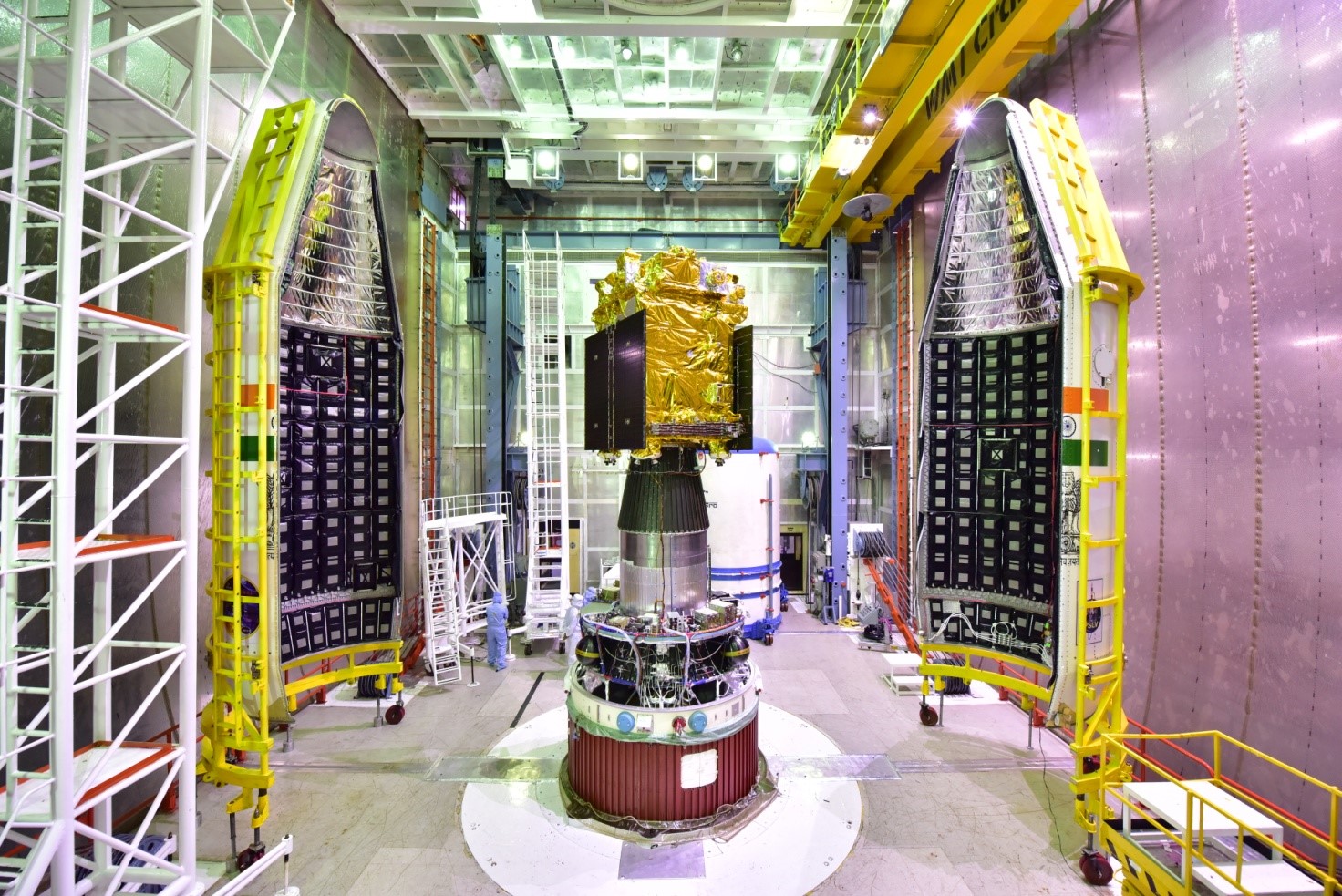
Aditya l1
Source -Isro.gov.in


Aditya L1's journey to its final perch at L1 was a carefully orchestrated ballet of maneuvers. After a successful launch aboard the PSLV-C57 rocket, the spacecraft spent 16 days in Earth-bound orbits, gradually raising its altitude and adjusting its trajectory. Five Earth-bound maneuvers (EBMs) were meticulously executed, each one bringing Aditya L1 closer to its ultimate destination.

On October 20, 2023, the spacecraft successfully entered a halo orbit around L1. This unique orbit, shaped like a teardrop, allows Aditya L1 to remain constantly positioned between the Sun and Earth, offering an uninterrupted view of the solar disc.

Unveiling the Sun's Secrets:
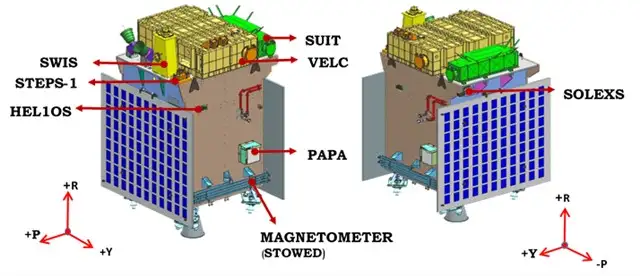
Aditya l1 payloads
Source : Isro.gov.in


Aditya L1 is equipped with seven cutting-edge payloads, each designed to study a different aspect of the Sun:

1.The Solar Ultraviolet Imager (SUIT):


Captures high-resolution images of the Sun's chromosphere and corona in ultraviolet light, revealing the intricate structures and dynamics of these hot layers.


2.The Aditya L1 Coronagraph (ALC):


Observes the Sun's corona without being blinded by its bright disc, providing insights into coronal mass ejections (CMEs) and other solar eruptions.


3.The Visible Emission Line Coronagraph (VELC):


Studies the Sun's corona in specific wavelengths emitted by different elements, helping to understand the temperature and composition of the coronal plasma.


4.The Fine-resolution Solar X-ray Imager (X-ray Imager):


Images the Sun's corona in X-rays, tracing the origins of solar flares and studying the hot plasma ejected during these events.


5.The Particle Experiment Package (PEP):


Measures the flux, energy, and composition of charged particles released by the Sun, providing crucial data for understanding space weather.


6.The Magnetometer:


Maps the Sun's magnetic field, a key driver of solar activity and the formation of CMEs.


7.The Plasma Analyzer Package (PAP):


Analyzes the composition and properties of the solar wind, the stream of charged particles constantly flowing from the Sun.


Science Objectives:


Aditya L1's scientific objectives are ambitious and far-reaching. The mission aims to:

1.Study the dynamics of the Sun's chromosphere and corona: 

Understanding how these hot layers are heated and how they influence the Sun's overall activity is crucial for predicting space weather events.

2.Unravel the mystery of coronal heating: 

The Sun's corona is millions of degrees hotter than its surface, a phenomenon that remains poorly understood. Aditya L1 will gather data to help solve this longstanding puzzle.

3.Investigate the origins and properties of CMEs:

These powerful eruptions of charged particles can disrupt satellites and power grids on Earth. Aditya L1 will provide valuable insights into their formation and propagation.

4.Monitor the Sun's magnetic field:

The Sun's magnetic field is constantly changing, and these changes can trigger solar flares and CMEs. Aditya L1 will provide continuous monitoring of the magnetic field, allowing for better space weather forecasting.

5.Improve our understanding of space weather:

Space weather events can have significant impacts on our technological infrastructure and communication systems. Aditya L1 will contribute to the development of better space weather prediction models.

Benefits for Humanity:


The Aditya L1 mission has the potential to revolutionize our understanding of the Sun and its impact on Earth. By providing valuable data on solar activity and space weather, the mission can:

1.Improve the accuracy of space weather forecasting:

This can help to protect satellites, power grids, and communication systems from the harmful effects of solar storms.

2.Develop new technologies:

The knowledge gained from Aditya L1 can be used to develop new technologies for space exploration and solar energy production.

3.Inspire future generations:

By opening a window into the Sun's secrets, Aditya L1 can inspire young people to pursue careers in science and technology.

Aditya L1 represents a significant milestone in India's space program and a major contribution to our understanding of the Sun.Its success will pave the way for future missions to explore the Sun and our solar system in even greater detail.
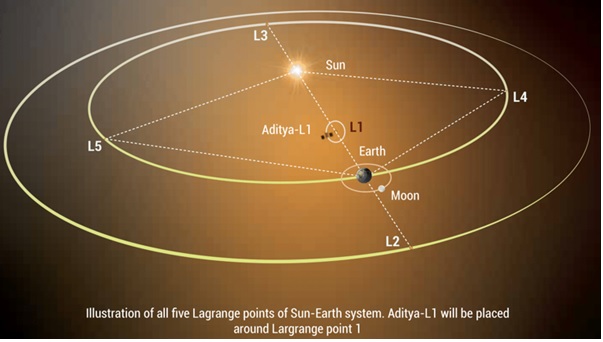

Aditya L1
Source -isro.gov.in


Beyond the Science:


Aditya L1's significance extends beyond its scientific objectives. The mission is a testament to India's growing capabilities in space exploration and a symbol of its commitment to international collaboration. 

A Global Endeavor:

Building and launching Aditya L1 was a collaborative effort involving scientists and engineers from across India, as well as international partners like the European Space Agency (ESA) and NASA. This collaboration underscores the importance of international cooperation in space exploration and highlights the shared human desire to understand the universe.

Aditya L1 is also a beacon of inspiration for young people, particularly in India. The mission's success serves as a powerful reminder that anything is possible with hard work and dedication. It encourages students to pursue careers in science, technology, engineering, and mathematics (STEM) fields, potentially leading to the next generation of scientists and engineers who will push the boundaries of space exploration.

The Future of Solar Observation:

Aditya L1 is just the beginning of India's journey to understand the Sun. The mission paves the way for future, even more sophisticated solar observatories. These future missions could delve deeper into the Sun's interior, study the solar wind in greater detail, and even explore the possibility of sending probes directly into the Sun's corona.

Aditya L1 is a testament to human curiosity and our insatiable desire to understand the universe around us. It is a mission that not only promises to unlock the secrets of the Sun but also inspires us to reach for the stars.

Here are some additional resources that you might find interesting:

ISRO's website on the Aditya L1 mission: [https://www.isro.gov.in/Aditya_L1.html]


A video about the Aditya L1 mission from ISRO:


An article about the Aditya L1 mission from The Hindu:


I hope this information is helpful and continues to spark your interest in Aditya L1 and the wonders of space exploration!


Aditya L1: India's Dazzling Eye on the Sun


Aditya L1, meaning "Sun" in Sanskrit and positioned at the Sun-Earth Lagrange point 1 (L1), is India's first dedicated solar observatory mission. Launched on September 2, 2023, this spacecraft is poised to unravel the mysteries of our closest star, shedding light on its dynamic atmosphere, powerful flares, and the impact it has on Earth's space environment.

Journey to L1:

Aditya l1
Source -Isro.gov.in


Aditya L1's journey to its final perch at L1 was a carefully orchestrated ballet of maneuvers. After a successful launch aboard the PSLV-C57 rocket, the spacecraft spent 16 days in Earth-bound orbits, gradually raising its altitude and adjusting its trajectory. Five Earth-bound maneuvers (EBMs) were meticulously executed, each one bringing Aditya L1 closer to its ultimate destination.

On October 20, 2023, the spacecraft successfully entered a halo orbit around L1. This unique orbit, shaped like a teardrop, allows Aditya L1 to remain constantly positioned between the Sun and Earth, offering an uninterrupted view of the solar disc.

Unveiling the Sun's Secrets:

Aditya l1 payloads
Source : Isro.gov.in


Aditya L1 is equipped with seven cutting-edge payloads, each designed to study a different aspect of the Sun:

1.The Solar Ultraviolet Imager (SUIT):


Captures high-resolution images of the Sun's chromosphere and corona in ultraviolet light, revealing the intricate structures and dynamics of these hot layers.


2.The Aditya L1 Coronagraph (ALC):


Observes the Sun's corona without being blinded by its bright disc, providing insights into coronal mass ejections (CMEs) and other solar eruptions.


3.The Visible Emission Line Coronagraph (VELC):


Studies the Sun's corona in specific wavelengths emitted by different elements, helping to understand the temperature and composition of the coronal plasma.


4.The Fine-resolution Solar X-ray Imager (X-ray Imager):


Images the Sun's corona in X-rays, tracing the origins of solar flares and studying the hot plasma ejected during these events.


5.The Particle Experiment Package (PEP):


Measures the flux, energy, and composition of charged particles released by the Sun, providing crucial data for understanding space weather.


6.The Magnetometer:


Maps the Sun's magnetic field, a key driver of solar activity and the formation of CMEs.


7.The Plasma Analyzer Package (PAP):


Analyzes the composition and properties of the solar wind, the stream of charged particles constantly flowing from the Sun.


Science Objectives:


Aditya L1's scientific objectives are ambitious and far-reaching. The mission aims to:

1.Study the dynamics of the Sun's chromosphere and corona: 

Understanding how these hot layers are heated and how they influence the Sun's overall activity is crucial for predicting space weather events.

2.Unravel the mystery of coronal heating: 

The Sun's corona is millions of degrees hotter than its surface, a phenomenon that remains poorly understood. Aditya L1 will gather data to help solve this longstanding puzzle.

3.Investigate the origins and properties of CMEs:

These powerful eruptions of charged particles can disrupt satellites and power grids on Earth. Aditya L1 will provide valuable insights into their formation and propagation.

4.Monitor the Sun's magnetic field:

The Sun's magnetic field is constantly changing, and these changes can trigger solar flares and CMEs. Aditya L1 will provide continuous monitoring of the magnetic field, allowing for better space weather forecasting.

5.Improve our understanding of space weather:

Space weather events can have significant impacts on our technological infrastructure and communication systems. Aditya L1 will contribute to the development of better space weather prediction models.

Benefits for Humanity:


The Aditya L1 mission has the potential to revolutionize our understanding of the Sun and its impact on Earth. By providing valuable data on solar activity and space weather, the mission can:

1.Improve the accuracy of space weather forecasting:

This can help to protect satellites, power grids, and communication systems from the harmful effects of solar storms.

2.Develop new technologies:

The knowledge gained from Aditya L1 can be used to develop new technologies for space exploration and solar energy production.

3.Inspire future generations:

By opening a window into the Sun's secrets, Aditya L1 can inspire young people to pursue careers in science and technology.

Aditya L1 represents a significant milestone in India's space program and a major contribution to our understanding of the Sun.Its success will pave the way for future missions to explore the Sun and our solar system in even greater detail.


Aditya L1
Source -isro.gov.in


Beyond the Science:


Aditya L1's significance extends beyond its scientific objectives. The mission is a testament to India's growing capabilities in space exploration and a symbol of its commitment to international collaboration. 

A Global Endeavor:

Building and launching Aditya L1 was a collaborative effort involving scientists and engineers from across India, as well as international partners like the European Space Agency (ESA) and NASA. This collaboration underscores the importance of international cooperation in space exploration and highlights the shared human desire to understand the universe.

Aditya L1 is also a beacon of inspiration for young people, particularly in India. The mission's success serves as a powerful reminder that anything is possible with hard work and dedication. It encourages students to pursue careers in science, technology, engineering, and mathematics (STEM) fields, potentially leading to the next generation of scientists and engineers who will push the boundaries of space exploration.

The Future of Solar Observation:

Aditya L1 is just the beginning of India's journey to understand the Sun. The mission paves the way for future, even more sophisticated solar observatories. These future missions could delve deeper into the Sun's interior, study the solar wind in greater detail, and even explore the possibility of sending probes directly into the Sun's corona.

Aditya L1 is a testament to human curiosity and our insatiable desire to understand the universe around us. It is a mission that not only promises to unlock the secrets of the Sun but also inspires us to reach for the stars.

Here are some additional resources that you might find interesting:

ISRO's website on the Aditya L1 mission: [https://www.isro.gov.in/Aditya_L1.html]


A video about the Aditya L1 mission from ISRO:


An article about the Aditya L1 mission from The Hindu:


I hope this information is helpful and continues to spark your interest in Aditya L1 and the wonders of space exploration!


Tuesday, January 23, 2024

Aditya L1: India's Dazzling Eye on the Sun

Aditya L1: India's Dazzling Eye on the Sun

Aditya L1: India's Dazzling Eye on the Sun


Aditya L1, meaning "Sun" in Sanskrit and positioned at the Sun-Earth Lagrange point 1 (L1), is India's first dedicated solar observatory mission. Launched on September 2, 2023, this spacecraft is poised to unravel the mysteries of our closest star, shedding light on its dynamic atmosphere, powerful flares, and the impact it has on Earth's space environment.

Journey to L1:

Aditya l1
Source -Isro.gov.in


Aditya L1's journey to its final perch at L1 was a carefully orchestrated ballet of maneuvers. After a successful launch aboard the PSLV-C57 rocket, the spacecraft spent 16 days in Earth-bound orbits, gradually raising its altitude and adjusting its trajectory. Five Earth-bound maneuvers (EBMs) were meticulously executed, each one bringing Aditya L1 closer to its ultimate destination.

On October 20, 2023, the spacecraft successfully entered a halo orbit around L1. This unique orbit, shaped like a teardrop, allows Aditya L1 to remain constantly positioned between the Sun and Earth, offering an uninterrupted view of the solar disc.

Unveiling the Sun's Secrets:

Aditya l1 payloads
Source : Isro.gov.in


Aditya L1 is equipped with seven cutting-edge payloads, each designed to study a different aspect of the Sun:

1.The Solar Ultraviolet Imager (SUIT):


Captures high-resolution images of the Sun's chromosphere and corona in ultraviolet light, revealing the intricate structures and dynamics of these hot layers.


2.The Aditya L1 Coronagraph (ALC):


Observes the Sun's corona without being blinded by its bright disc, providing insights into coronal mass ejections (CMEs) and other solar eruptions.


3.The Visible Emission Line Coronagraph (VELC):


Studies the Sun's corona in specific wavelengths emitted by different elements, helping to understand the temperature and composition of the coronal plasma.


4.The Fine-resolution Solar X-ray Imager (X-ray Imager):


Images the Sun's corona in X-rays, tracing the origins of solar flares and studying the hot plasma ejected during these events.


5.The Particle Experiment Package (PEP):


Measures the flux, energy, and composition of charged particles released by the Sun, providing crucial data for understanding space weather.


6.The Magnetometer:


Maps the Sun's magnetic field, a key driver of solar activity and the formation of CMEs.


7.The Plasma Analyzer Package (PAP):


Analyzes the composition and properties of the solar wind, the stream of charged particles constantly flowing from the Sun.


Science Objectives:


Aditya L1's scientific objectives are ambitious and far-reaching. The mission aims to:

1.Study the dynamics of the Sun's chromosphere and corona: 

Understanding how these hot layers are heated and how they influence the Sun's overall activity is crucial for predicting space weather events.

2.Unravel the mystery of coronal heating: 

The Sun's corona is millions of degrees hotter than its surface, a phenomenon that remains poorly understood. Aditya L1 will gather data to help solve this longstanding puzzle.

3.Investigate the origins and properties of CMEs:

These powerful eruptions of charged particles can disrupt satellites and power grids on Earth. Aditya L1 will provide valuable insights into their formation and propagation.

4.Monitor the Sun's magnetic field:

The Sun's magnetic field is constantly changing, and these changes can trigger solar flares and CMEs. Aditya L1 will provide continuous monitoring of the magnetic field, allowing for better space weather forecasting.

5.Improve our understanding of space weather:

Space weather events can have significant impacts on our technological infrastructure and communication systems. Aditya L1 will contribute to the development of better space weather prediction models.

Benefits for Humanity:


The Aditya L1 mission has the potential to revolutionize our understanding of the Sun and its impact on Earth. By providing valuable data on solar activity and space weather, the mission can:

1.Improve the accuracy of space weather forecasting:

This can help to protect satellites, power grids, and communication systems from the harmful effects of solar storms.

2.Develop new technologies:

The knowledge gained from Aditya L1 can be used to develop new technologies for space exploration and solar energy production.

3.Inspire future generations:

By opening a window into the Sun's secrets, Aditya L1 can inspire young people to pursue careers in science and technology.

Aditya L1 represents a significant milestone in India's space program and a major contribution to our understanding of the Sun.Its success will pave the way for future missions to explore the Sun and our solar system in even greater detail.


Aditya L1
Source -isro.gov.in


Beyond the Science:


Aditya L1's significance extends beyond its scientific objectives. The mission is a testament to India's growing capabilities in space exploration and a symbol of its commitment to international collaboration. 

A Global Endeavor:

Building and launching Aditya L1 was a collaborative effort involving scientists and engineers from across India, as well as international partners like the European Space Agency (ESA) and NASA. This collaboration underscores the importance of international cooperation in space exploration and highlights the shared human desire to understand the universe.

Aditya L1 is also a beacon of inspiration for young people, particularly in India. The mission's success serves as a powerful reminder that anything is possible with hard work and dedication. It encourages students to pursue careers in science, technology, engineering, and mathematics (STEM) fields, potentially leading to the next generation of scientists and engineers who will push the boundaries of space exploration.

The Future of Solar Observation:

Aditya L1 is just the beginning of India's journey to understand the Sun. The mission paves the way for future, even more sophisticated solar observatories. These future missions could delve deeper into the Sun's interior, study the solar wind in greater detail, and even explore the possibility of sending probes directly into the Sun's corona.

Aditya L1 is a testament to human curiosity and our insatiable desire to understand the universe around us. It is a mission that not only promises to unlock the secrets of the Sun but also inspires us to reach for the stars.

Here are some additional resources that you might find interesting:

ISRO's website on the Aditya L1 mission: [https://www.isro.gov.in/Aditya_L1.html]


A video about the Aditya L1 mission from ISRO:


An article about the Aditya L1 mission from The Hindu:


I hope this information is helpful and continues to spark your interest in Aditya L1 and the wonders of space exploration!